Mental and physical health are interconnected. Social isolation’s adverse health consequences range from sleeplessness to reduced immune function. Loneliness is associated with higher anxiety, depression, and suicide rates. Isolation and loneliness are also linked to poor cardiovascular health and cognitive function:
- A study led by an epidemiologist at Newcastle University concluded that deficiencies in social relationships are associated with a higher risk for coronary heart disease and stroke.
- A study published in The Journals of Gerontology concluded that loneliness was associated with a 40 percent increase in the risk of dementia.
Links between social isolation and serious medical conditions are not fully understood, but ample evidence supports the connection. A study published in the American Journal of Epidemiology linked social isolation with higher risks of premature mortality. The Centers for Disease Control and Prevention (CDC) points to loneliness and isolation as serious public health risks.
Some effects of social isolation are specific to pandemics or other public health situations that require people to physically distance. Loneliness and depression can go hand in hand with anxiety and fear about the dangers associated with the event that made physical distancing measures necessary.
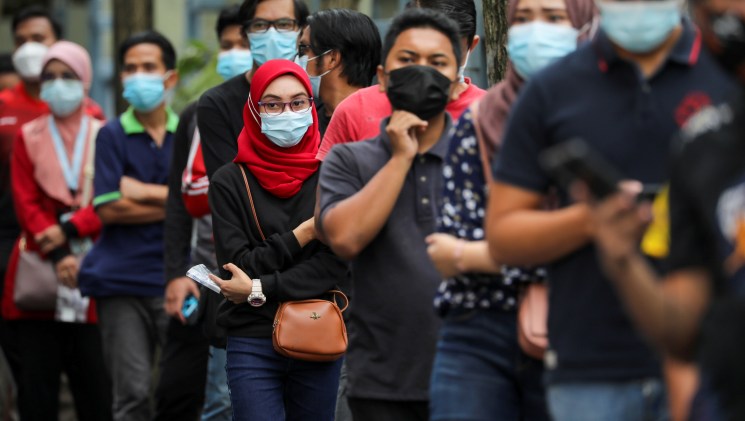
Plus, people sometimes experience anger and resentment about health and safety measures they find unnecessary or too restrictive. Even people who are supportive of safety-related isolation and quarantine can experience frustration and irritability.
High Risk of Social Isolation
Some groups face challenges that increase their risk for isolation and loneliness:
Immigrants
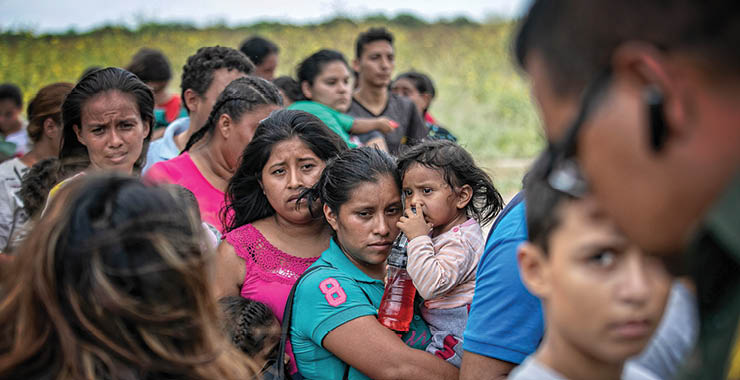
Language barriers, cultural and economic challenges, and limited social ties can contribute to social isolation for immigrants.
Marginalized groups
LGBTQIA people, people of color, and others who routinely face discrimination and stigma can feel socially isolated.

Older adults.
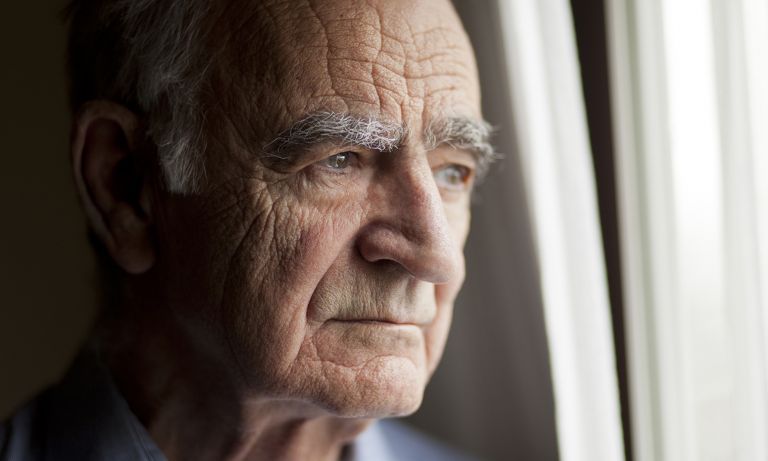
Older people often live alone. Hearing or vision loss can contribute to their social isolation.
Preventing
 You're Not Alone