Many circumstances can cause people to be isolated from others or to choose self-isolation:
Intimate partner violence
People in abusive relationships sometimes avoid contact with family, friends, or coworkers because of an unwillingness to reveal their true situation.

Loss of loved ones
Isolating after the loss of friends or family members can be common, especially among seniors who have lost many loved ones in their age group.

Unemployment
Shame associated with losing a job or being unable to secure new employment can lead individuals to self-isolate.

Mental health issues
Issues such as anxiety, depression, and low self-esteem often result from social isolation, but they can also cause it.

Remote location
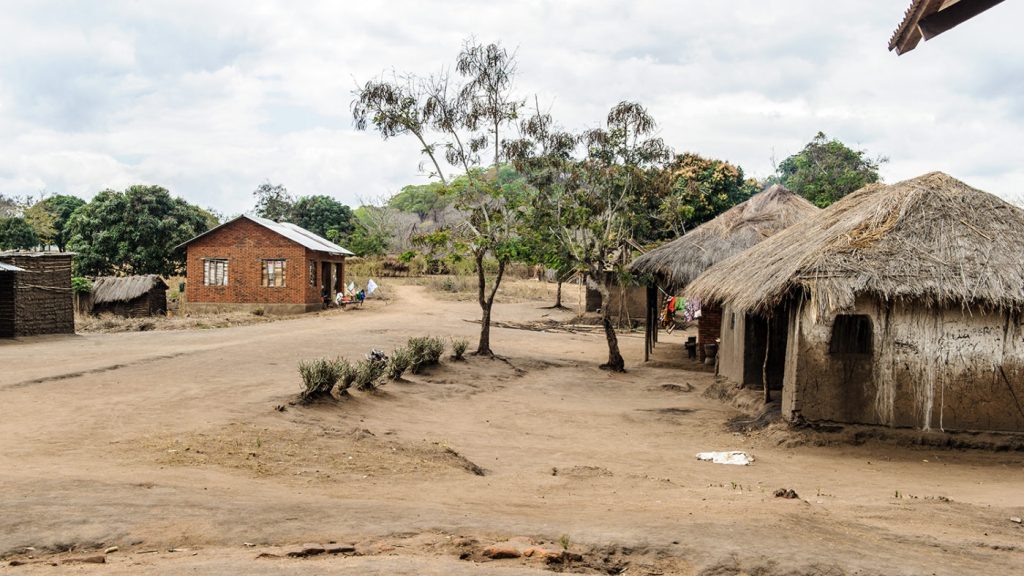
Individuals who live in remote areas or who are geographically separated from family and friends due to job duties (military service, for example) can experience feelings of isolation.
Physical impairments
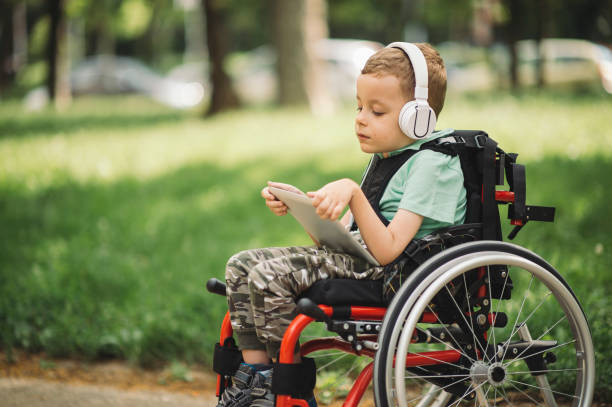
Physical challenges that limit mobility can reduce an individual’s ability to interact socially. Some people with physical disabilities feel ashamed of their disability or appearance, which can make them reluctant to interact socially. Hearing and vision impairments can also create a sense of isolation.
Social media
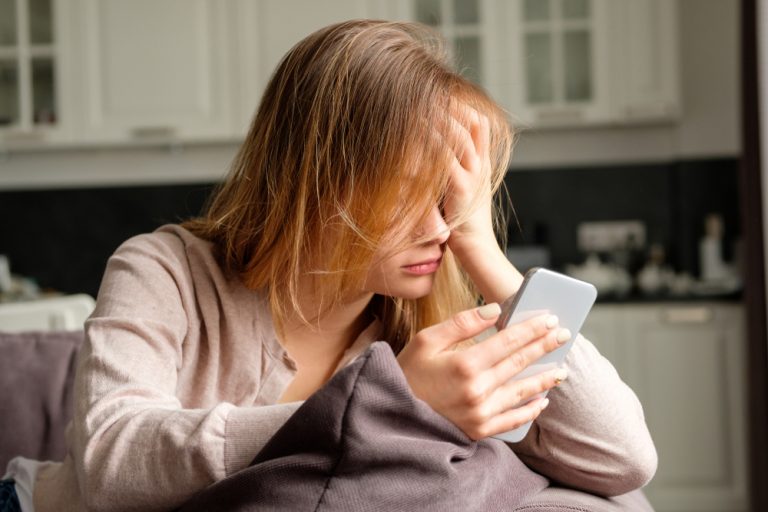
Communication via social media helps some people stay connected to others, but it can lead to isolation if it becomes a substitute for meaningful conversations and in-person socialization.
 You're Not Alone